NYC Dining Etiquette & Table Setting Guide
Choosing Placemats for a Polished NYC Table Setting
A placemat does more than mark where dinner begins. It protects the table, gives dishes a visual frame and quietly establishes the tone of a meal. In New York, where a dining table might also serve as a desk, a kitchen island or a gathering place for a dozen friends, the right choice balances usefulness with a little design intention.
Published October 19, 2026
The small decision that sets the table
Placemats occupy modest real estate, but their effect is outsize. They create a boundary for each place setting, catch crumbs and drips, and soften the contact between dishes and a tabletop. Just as importantly, they bring color, texture and rhythm to a meal. A plain white plate can look crisp against a woven natural-fiber mat; a patterned dish may call for a simpler surface that lets its details remain legible.
That makes choosing placemats less about finding a perfect match than about deciding what the table should feel like. Casual? Orderly? Warm and generous? A little more formal than an ordinary weeknight? Material, shape and color all help answer those questions. The best choices also work with the room and the habits of the people who use it.
In a city of small apartments and flexible rooms, a dining surface is often asked to do several jobs. A table setting may need to look composed for a dinner with guests, then clear quickly so the table can return to everyday use. Placemats make that transition easy: lay them out to define a meal, then stack or roll them away when it is over.
Start with the table, not the trend
Before choosing a material or color, consider the table itself. A placemat should protect the surface without hiding what makes it appealing. On a substantial wood table, a slim woven mat can preserve the wood’s presence while creating a useful layer. On glass, a textile surface can add warmth and reduce the clatter of plates and cutlery. A delicate finish may benefit from a placemat that is easy to wipe clean and broad enough to catch everyday spills.
Measure the available space, particularly if the table is compact. Each person needs enough room for a plate, glass and utensils without crowding a neighbor. A mat that nearly touches the one beside it can make the arrangement feel cramped, while an undersized mat may fail to protect the surface or provide a clear place setting. As a practical rule, lay out the dishes and cutlery you expect to use before buying; the full arrangement is a more reliable guide than the placemat alone.
Think, too, about how the table functions between meals. In a small NYC home, a surface may host a laptop in the morning and dinner at night. Lightweight, easy-to-store placemats suit frequent changes. If the table is used by children or for messy meals, straightforward cleaning may matter more than a delicate finish. For an occasional dinner, texture and visual character may take priority.
Materials: the feel beneath the plate
Material shapes both performance and atmosphere. Woven placemats, including natural-fiber styles, bring visible texture and an informal ease. Their irregular surfaces can make a spare setting feel more inviting, especially when paired with simple ceramic dishes. They are often a natural fit for brunch, relaxed dinners and tables where the goal is approachable rather than ceremonious. Check the care instructions, though: woven materials may need careful spot cleaning and can be less convenient when a spill is likely.
Smooth, tightly finished surfaces tend to read as cleaner and more tailored. They can complement modern tableware and are often practical when quick wiping is important. A smooth placemat also gives patterned plates a quieter backdrop. The trade-off is that some surfaces can feel less soft or warm than fabric, so consider the room’s other textures and the sound of dishes on the table.
Textile placemats offer a softer hand and a range of colors, weaves and finishes. Cotton and linen, for instance, can bring a relaxed, lived-in quality while helping cushion tableware. Their appearance changes with use: linen’s natural creases may feel easy and informal, while a pressed cloth surface can look more composed. Fabric usually requires laundering or other care, so durability and maintenance should be part of the decision—not an afterthought.
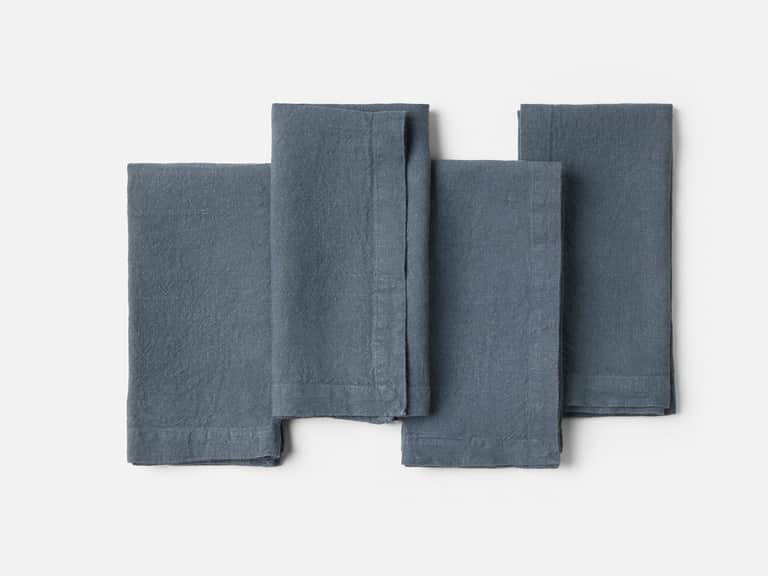
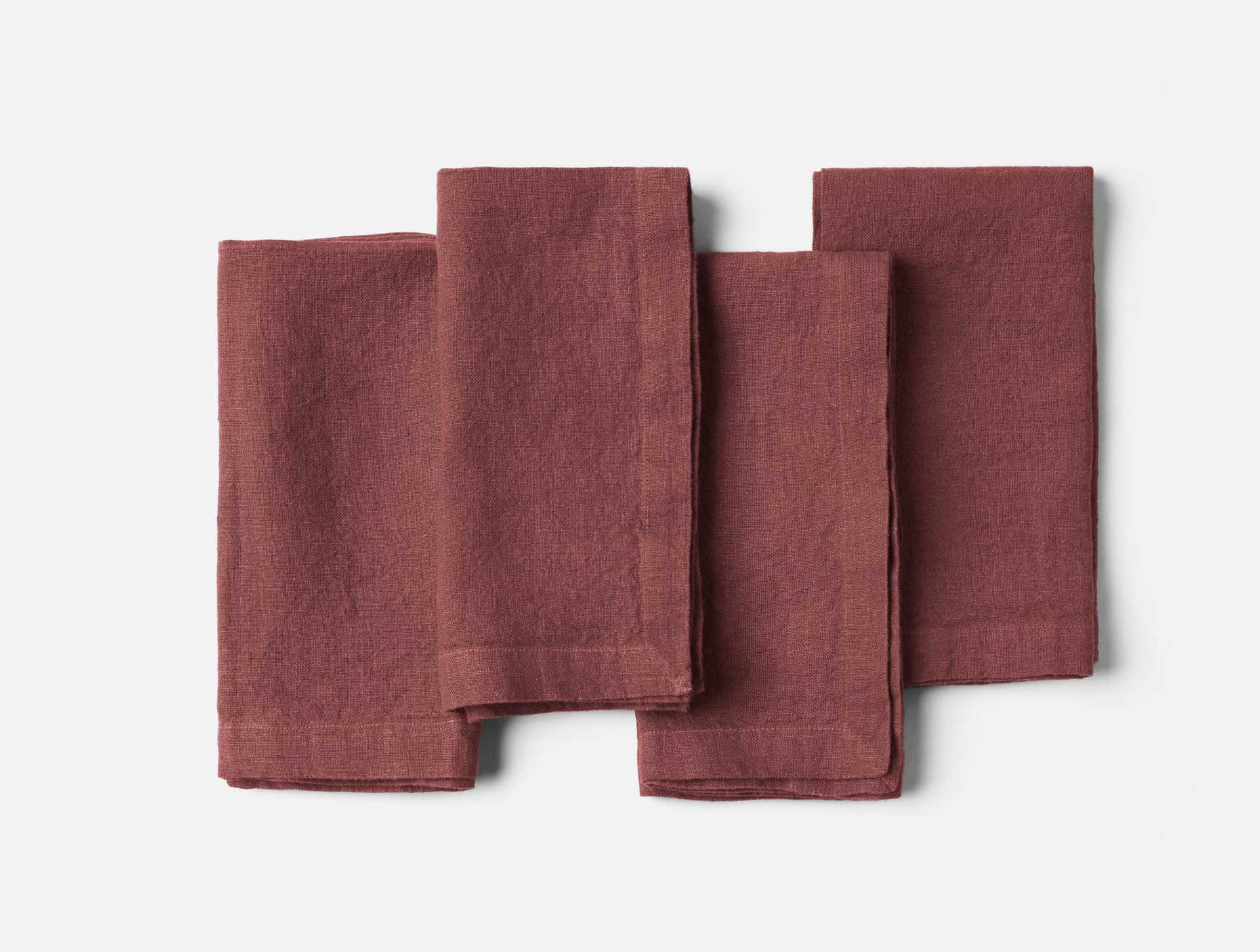
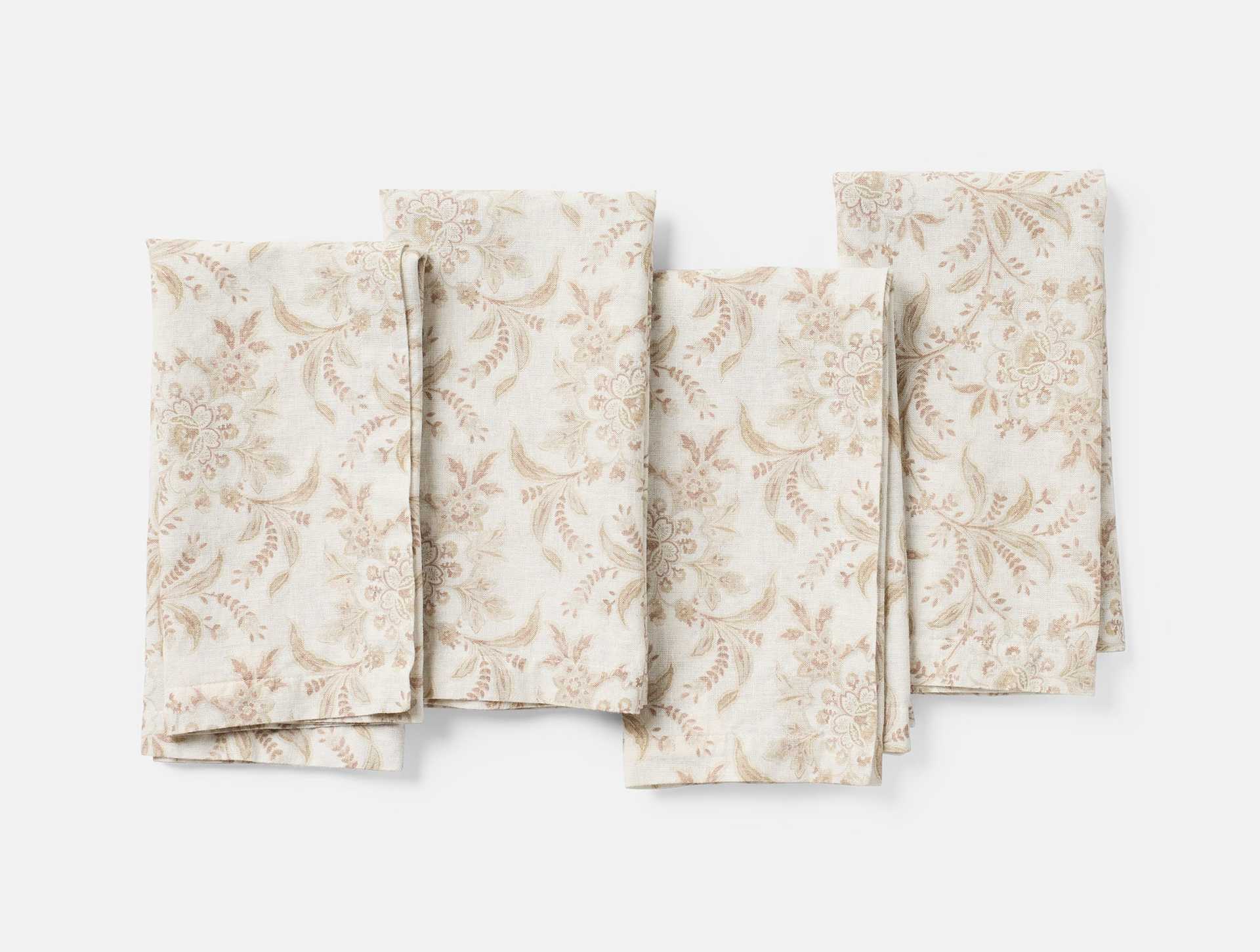
For a textile-led table, napkins can extend the same visual language without requiring an exact set. The Mojave Organic Linen Napkins, for example, are made from 100% organic linen and have a turned hem with mitered corners. Their natural texture can sit comfortably beside a woven or understated placemat. For a little more pattern, the Marguerite Organic Print Napkins combine linen and organic cotton in a printed design. Either option can add a layer of textile character; neither requires the placemat to repeat its exact color or pattern.
Whatever the material, check the practical details: whether the surface can be wiped, washed or spot-cleaned; whether it lies flat; and whether it is likely to shift under dishes. A beautiful mat that is difficult to maintain may not be the best choice for a table used every day. Conversely, a particularly simple design can earn its place through easy care and lasting versatility.
Shape and scale: make room for the meal
Rectangular placemats are familiar and easy to arrange, especially on long tables. Their clean lines can echo the table’s shape, and they provide a clear zone for a dinner plate, cutlery and glass. Round placemats soften a room of right angles and can work well with circular plates or a small round table. Their curved outline creates a gentler visual transition between individual settings.
Other shapes can introduce a more distinctive note, but novelty should not interfere with function. A scalloped edge or irregular outline may be appealing, yet the usable surface still needs to accommodate the dishes. When the table is small, simpler silhouettes often help preserve breathing room. A crowded setting looks less polished regardless of how carefully the pieces are coordinated.
Spacing matters as much as shape. Place each mat so that diners have comfortable elbow room and the arrangement feels even across the table. On a narrow surface, consider whether a central serving dish will fit once the mats are in place. For a larger gathering, repeat the same placement and spacing at every setting. That repetition gives the table a composed appearance without requiring elaborate decoration.
Color and pattern without the matching set
A cohesive table does not have to be uniform. In fact, matching every placemat, napkin and dish can make a setting feel more rigid than polished. Instead, choose one element to lead and let the others support it. A patterned placemat can anchor plain plates and solid napkins. A colored napkin can provide a small point of contrast on a neutral mat. With patterned dishes, a quiet placemat may give the eye a place to rest.
Color can also respond to the room. Warm neutrals and earthy shades often complement wood and natural fibers, while cooler tones can feel crisp against pale surfaces. Deep colors may lend a table more definition, particularly in evening light, but can also make a compact setting appear visually heavier. In a small apartment, a restrained palette is not a rule; it is simply one way to keep the table from competing with the rest of the room.
Use contrast deliberately. A light placemat beneath a dark plate brings the silhouette into focus. A tone-on-tone arrangement—different shades of one color—can feel calm while still showing variation through texture. If the placemat has a strong print, repeat one of its colors in a napkin or a small table accent rather than introducing several unrelated patterns. The aim is a conversation among elements, not a chorus in which everything speaks at once.
For a city dinner with an informal mood, an organic mix can be particularly effective: simple dishes, textured placemats, cloth napkins and one central arrangement. The arrangement might be as modest as a bowl of seasonal fruit. Clear space remains important. A table should invite people to eat and talk, not make them navigate a display.
Casual meals and more formal gatherings
For everyday dining, practicality is part of good design. Choose placemats that can handle the actual meal, not an imaginary one. Durable surfaces, forgiving colors and straightforward care are useful when breakfast, takeout or a quick weeknight dinner is on the table. Keep the arrangement simple: placemat, plate, cutlery and glass. A cloth napkin can make even a modest meal feel considered without adding unnecessary formality.
A business dinner or a more formal gathering benefits from clarity and consistency. The placemats should be clean, lie flat and leave sufficient room for each setting. Coordinate them with the tableware and napkins, but avoid making the color scheme so exact that it feels staged. A pressed textile, restrained pattern or refined woven surface can signal care without turning the table into a performance.
For a larger gathering, decide the arrangement before guests arrive. Set out the placemats, plates and glasses, then check the spacing from the seated position. Make sure serving dishes have a place and that guests can pass them without disrupting the individual settings. The most successful table is not necessarily the most elaborate; it is the one that makes people comfortable and keeps the meal moving.
Etiquette, at its most useful, is a form of hospitality. A place setting should help guests understand where to sit and give them what they need without requiring explanation. Placemats contribute by defining each person’s space. They do not need to be expensive or formal to do that well. Clean, orderly and appropriate to the occasion is enough.
A practical approach to napkins and table linens
Placemats rarely work alone. Napkins, runners and tablecloths all affect the final impression, and each adds another layer of texture and color. If a tablecloth is already doing the visual work, placemats may be unnecessary. If the table is bare, a runner can define the center while placemats organize the individual settings. Use both only when the layers have a purpose and the table still feels spacious.
Cloth napkins bring a sense of occasion, but they can also be used daily. Fold them simply or place them beside the plate; a complicated fold is not required for an orderly setting. Choose a napkin that feels comfortable and is proportionate to the meal. A print can enliven plain placemats, while a solid napkin can calm a busier surface. These small relationships make a table feel intentional without demanding a matching collection.
Care is part of the design decision. Before laundering textile napkins or placemats, follow the manufacturer’s instructions and separate colors as recommended. Prompt attention to spills can help fabrics remain presentable, while regular cleaning keeps reusable linens ready for the next meal. Store clean pieces folded or rolled in a way that makes them easy to reach. A practical system makes it more likely that attractive linens will be used rather than saved for a rare occasion.
An accessible table is a welcoming table
A polished setting should work for the people seated around it. Keep paths clear, avoid unstable decorations and leave room for mobility aids or personal items when needed. High-contrast dishes and placemats can help make the edges of plates easier to distinguish. If a guest has a particular need, a quick, considerate question is often more useful than assuming a formal arrangement suits everyone.
Texture can add interest, but very uneven or raised surfaces may make dishes less stable. On a table that sees frequent use, test how a plate sits before setting out the whole arrangement. Choose a mat that stays in place and does not curl at the corners. These details are quiet, but they influence whether a table feels comfortable as well as attractive.
A quick checklist before you buy
- Measure the table: Confirm that each setting fits without crowding the next.
- Match the material to your routine: Consider spills, cleaning, storage and how often the table is used.
- Choose a useful shape: Make sure the placemat accommodates the dishes and cutlery you actually serve.
- Coordinate, don’t duplicate: Connect placemats with napkins and tableware through color or texture, not necessarily identical patterns.
- Check stability: Look for a surface that lies flat and supports plates securely.
- Picture the whole meal: Include serving dishes, glasses and any centerpiece when judging the available space.
These checks are especially useful in NYC homes, where a table may be compact, multipurpose or positioned close to the kitchen. A placemat that fits the room and the routine can make a daily meal feel more deliberate without adding another complicated task.
The polish is in the balance
Choosing placemats is ultimately an exercise in proportion. The right surface protects the table and supports the meal; the right scale gives each diner enough room; the right color and texture connect the setting to the home. A composed table does not depend on perfect symmetry or a coordinated set. It depends on choices that feel considered and work together.
Start with the table and the way it is used. Add a material that suits the level of care you can give it, then choose a shape that fits the dishes and the available space. Let color relate to the napkins and tableware without making every piece identical. Whether dinner is a quick weeknight meal or a gathering that runs late, a well-chosen placemat can make the setting feel ready for people—not merely arranged for a photograph.