Overview: Etiquette as a Living Practice in NYC
In the metropolis that never sleeps, dining etiquette is not merely a rulebook but a live dialogue between guest, host, and space. Napkins—folded, tucked, placed, and managed—offer a silent language that signals respect, preparation, and attention to detail. For students and newcomers to NYC hospitality, the napkin is a first instrument in a broader orchestra of tableware, where precision complements personality and pace.
This guide threads timeless etiquette with the practical realities of New York venues, from casual brasseries to formal dining rooms. It draws on established standards from respected brands in the city’s tableware ecosystem, including The Clean Bedroom, Downtown Company, and Sferra, to illustrate how fabric, fold, and placement harmonize with plateware, glassware, and service tempo.
The aim is not to constrain expression but to confer confidence. When you know why a napkin goes a certain way, you can navigate unfamiliar rooms, negotiate cultural nuances, and adapt to different service styles without breaking stride.
Key Napkin Folds for NYC Settings
Napkin folds are not a relic; they are a dynamic element of a table’s silhouette. The folds you choose should reflect formality, space, and the rhythm of service. Below are practical references that you can translate into real-world practice.
- Simple rectangle or square fold that stays crisp, promoting easy reuse and quick clearing.
- A classic “tulip” or a neat envelope fold that suggests intentionality without ceremony.
- A more pronounced, multi-panel fold such as a fan or bishop’s hat—folds that convey ceremony while allowing guests to extract easily.
The folds you apply should harmonize with tableware brands and linen choices. For instance, napkins from The Clean Bedroom and Downtown Company demonstrate fabric behavior—how linen and cotton respond to heat, moisture, and handling—which in turn informs the fold’s durability and the guest’s experience.
Care, Material Coordination, and Table Aesthetics
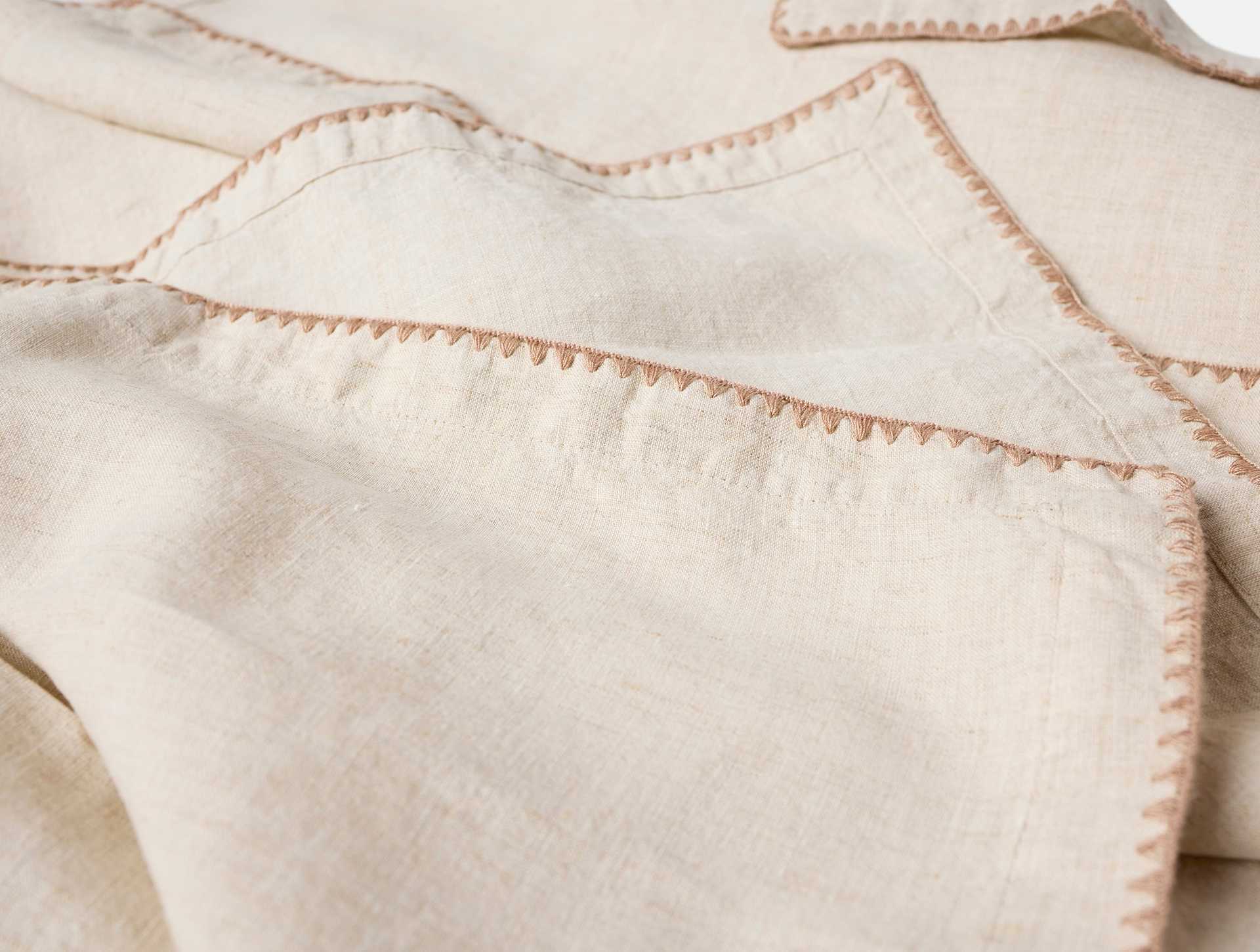
Material matters. Linen napkins, especially those grown and woven with attention to provenance, offer a texture that can elevate the dining moment. The Olivos Embroidered Organic Linen Napkins, for example, embody refined texture through shell-stitch embroidery and durable hems, designed for everyday elegance. When paired with upscale tableware such as Sferra napkins or Downtown Company throws, linen earns its place in both casual gatherings and formal affairs.
In NYC settings, care instructions are part of the performance. Machine washing on a gentle cycle, appropriate drying, and careful pressing preserve napkin integrity and color fidelity across shifts and seasons.
Product preview (examples from NYC brands)
Olivos Embroidered Organic Linen Napkins — Organic linen, shell-stitch embroidery, France-grown flax, woven in Portugal. Set of four; 20" x 20" size offers versatility for both everyday use and refined occasions.
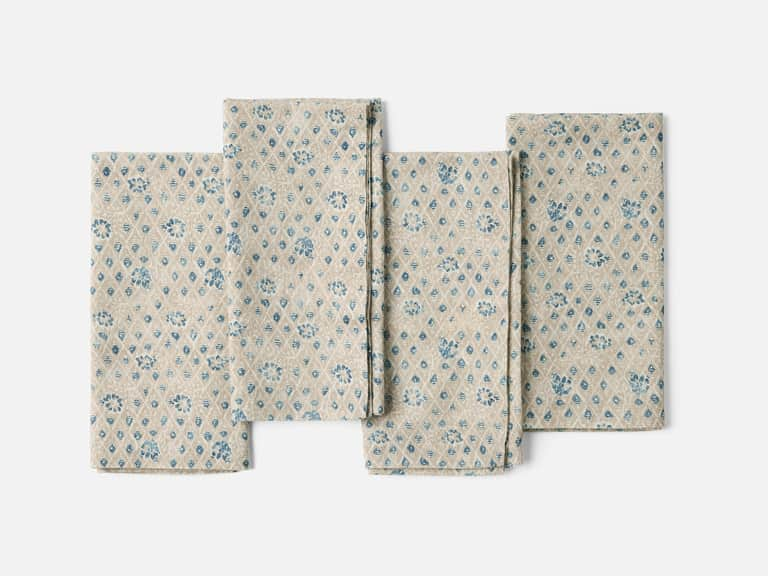
Coral Bell Print Napkins — GOTS-certified organic cotton and recycled linen blend, with a vintage-inspired print that pairs with contemporary NYC dining spaces.
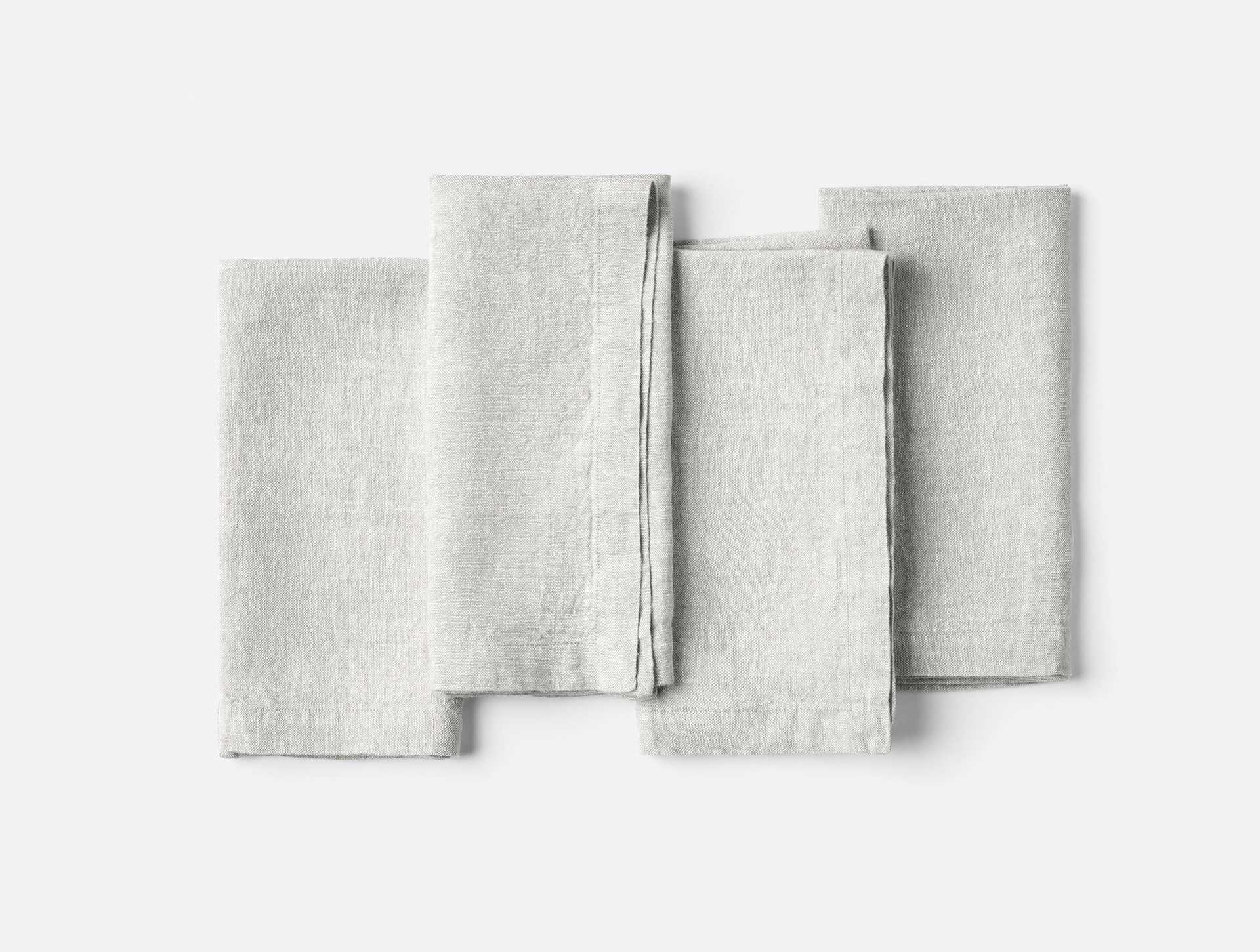
Mojave Organic Linen Napkins — 100% organic linen, Fair Trade production, crafted for durability and timeless appeal.
The coordination extends beyond fabric to the entire table ecosystem. When napkins align with the brand language of the room—whether it’s a modern brasserie or a classic dining room—the result is cohesion that resonates with guests. Brands like Sferra, The Clean Bedroom, and Downtown Company offer reference points for material behavior, color palettes, and finishing touches that inform a student’s practical choices.
NYC Spotlight: Etiquette in Practice
New York City venues present a spectrum of etiquette norms shaped by culture, cuisine, and crowd dynamics. This section situates etiquette within real-world scenarios, referencing how napkin handling interacts with service cadence, guest expectations, and cultural backgrounds.
Social dining at a casual NYC brasserie
In a casual setting, napkins are a silent promise of cleanliness and readiness. Guests shouldfully receive napkins—unfolding only to place a napkin on the lap if appropriate—and avoid fidgeting with it in the initial moments of seating. Service tends to be brisk, so the meaning of a neat napkin handoff is clear: order, share, and enjoy with confidence.
Business dining in a midtown conference room
The business setting emphasizes clarity and efficiency. Napkin folds should stay crisp during long conversations. A simple rectangular fold or a refined envelope fold supports professional presentation, while ensuring guests can transition smoothly to formal discussions or presentations.
Formal dining in a landmark restaurant
Formal dining demands attention to detail. Napkin placement, precise folds, and calm handling reflect mastery of procedure and respect for the guest experience. In NYC’s historic venues, napkin presentation is part of a larger ritual that respects tradition while embracing contemporary resonance.
A Brief History: Napkins as Cultural Artifacts
Napkins have traveled a long arc—from linen-rich tables of 18th-century grand rooms to the high-efficiency, design-forward environments of today. In New York City, the evolution of napkins mirrors shifts in dining culture, hospitality technology, and sustainability practices. Linen historically symbolized refinement and durability, while paper alternatives responded to speed, consumption patterns, and urban pragmatism.
Contemporary NYC brands illuminate a renewed interest in responsible sourcing and craft, with organic linens and recycled fabrics appearing in premium napkin lines. This historical lens helps hospitality students appreciate why certain folds, textures, and finishes endure, while new materials invite experimentation that remains respectful to guests and staff.
Resources for Practice and Mastery
Practice is the bridge between concept and confidence. For students in NYC, opportunities lie in campus labs, guest workshops, and local suppliers. The following brands and product lines offer tangible references for texture, weight, and finish:
- The Olivos Embroidered Organic Linen Napkins — shell-stitch embroidery, 100% organic linen, durable hems.
- Coral Bell Print Napkins — GOTS-certified fabric blend with plant-based finishing.
- Mojave Organic Linen Napkins — Fair Trade production, 100% organic linen from India.
Students are encouraged to observe how napkins behave in different service environments, test folds in practice sessions, and document observations for reference. A habit of recording napkin behavior—whether linen or cotton, heavy or light in weight—builds a practical framework that can be referenced in portfolios or classroom presentations.